Follow Me On Social Media!


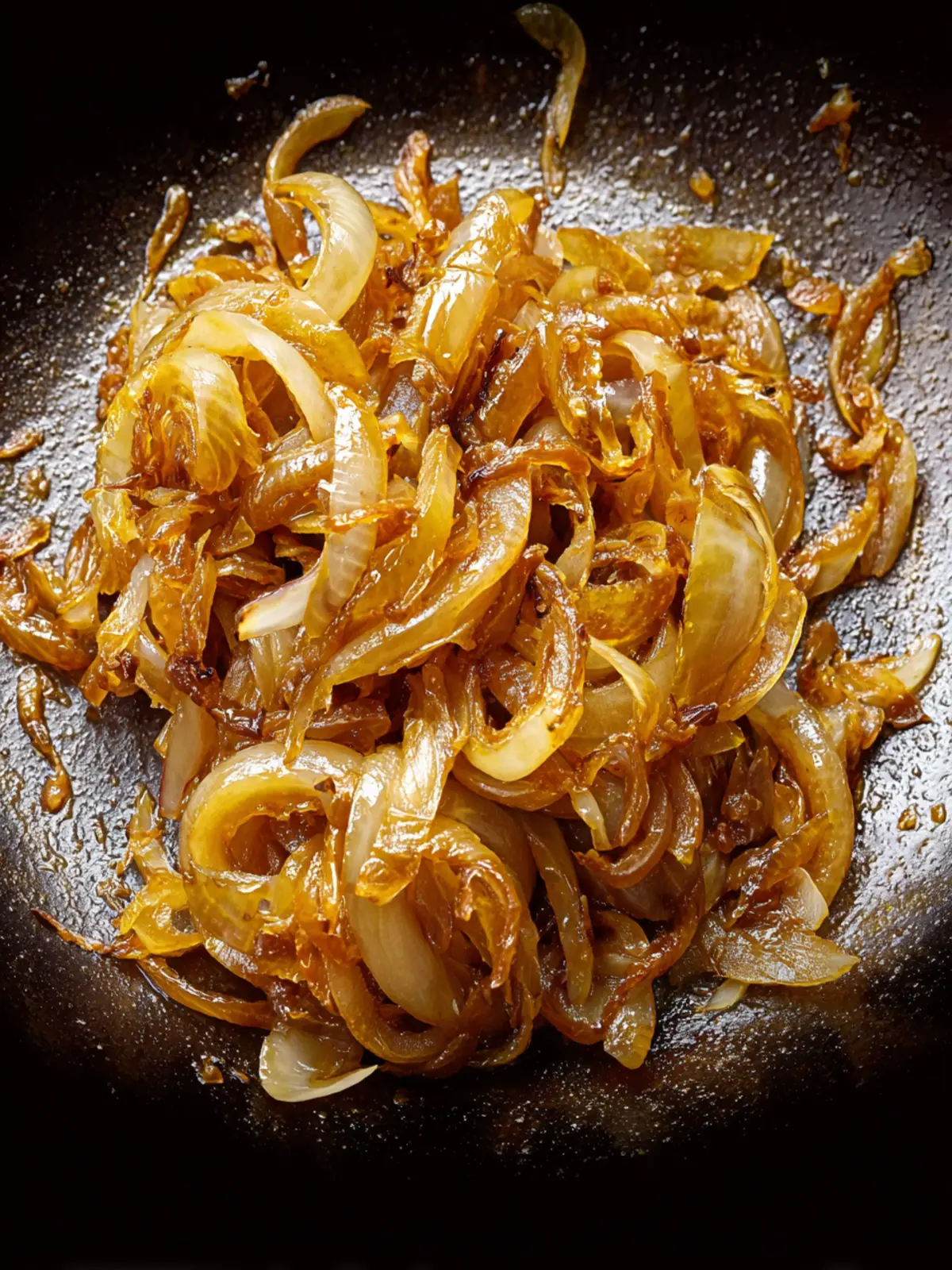
How to Caramelize Onions: The Best Recipe You’ll Crave

Introduction to Caramelized Onions
Caramelized onions are often the hidden gem in many classic dishes; their rich, sweet flavor can transform a meal in an instant. Think about the comforting aroma of slowly cooked onions wafting through your kitchen, promising something delicious. When you learn how to caramelize onions, you unlock a world of culinary possibilities that can elevate your cooking to newfound heights.
What makes caramelized onions a game-changer in cooking?
Caramelized onions are not just a beautiful garnish; they’re a flavor powerhouse that adds depth and complexity to a variety of dishes. Whether stirred into soups, slathered on burgers, or sprinkled on pizzas, their sweet, savory profile enhances almost any savory recipe. But what truly makes them a game-changer is the alchemy that occurs during the cooking process.
-
Flavor Development: When you cook onions slowly over low heat, the natural sugars break down and caramelize, resulting in a sweetness that balances out savory components in your dish. This can make a simple meal feel sophisticated, enticing your taste buds in a way that raw onions simply can’t match.
-
Versatility: Caramelized onions can be used in a multitude of ways. They are an easy way to add interest to everyday meals, such as scrambled eggs, pasta, or even risottos. They can also be the star of your show as the main ingredient in onion tarts or dips.
-
Health Benefits: Besides their gastronomic appeal, onions are rich in vitamins and minerals, and when caramelized, you still retain many of these benefits while indulging in their delightful taste. They can make meals not only more enjoyable but also a bit healthier.
So, imagine serving a dish topped with savory caramelized onions—you’re definitely going to impress your friends and family! Whether you’re a novice cook or an experienced chef, knowing how to caramelize onions is an essential skill that opens the door to endless culinary creations. Let’s dive into the simple steps to master this technique and elevate your cooking game!
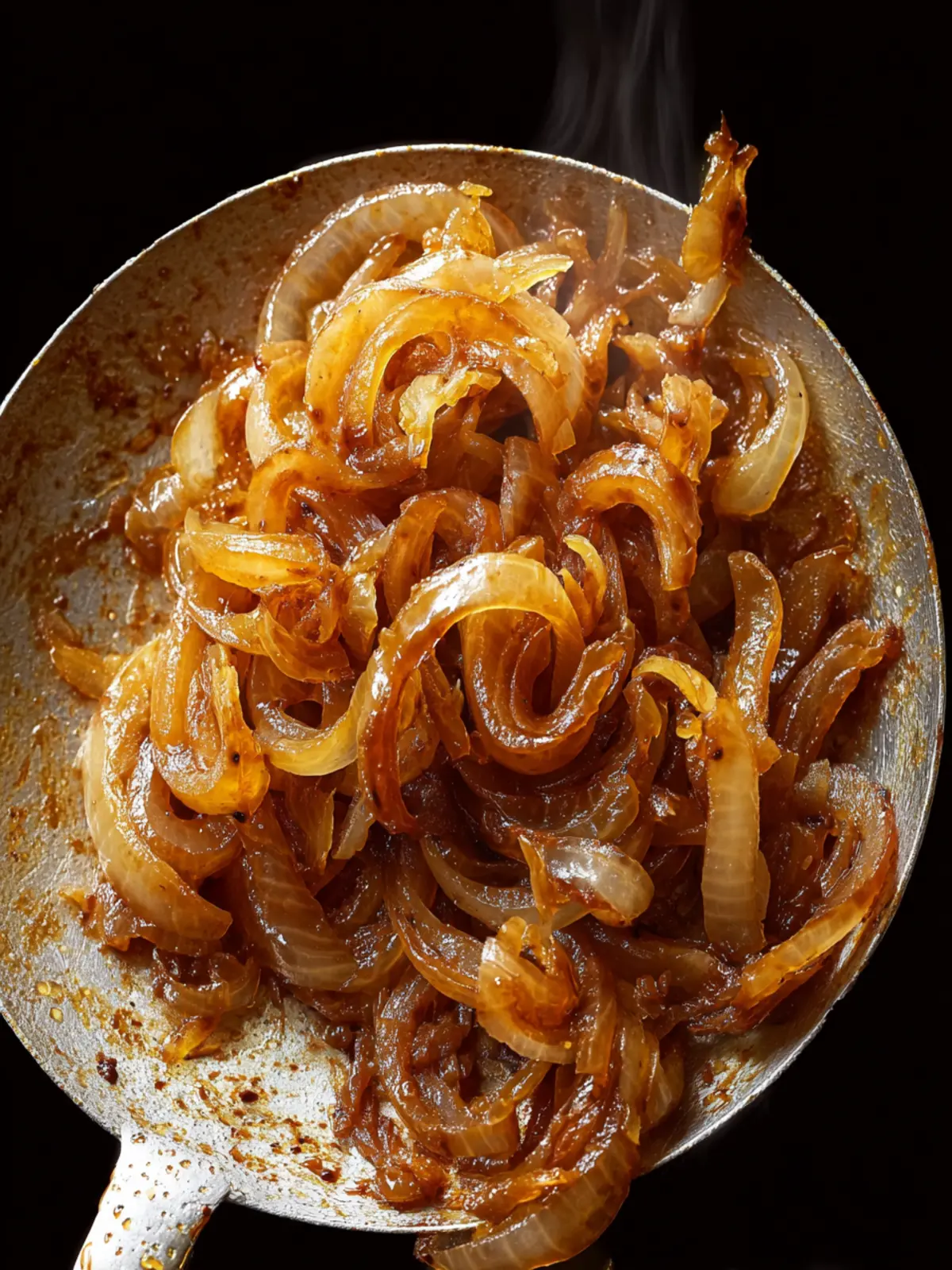
Key Ingredients for Caramelized Onions
When embarking on the delicious journey of how to caramelize onions, there are a few key ingredients that elevate your dish from ordinary to extraordinary. Let’s dive into what you’ll need for this sweet and savory masterpiece.
-
Onions: The star of your recipe. I recommend using yellow onions for their natural sweetness and versatility; they bring a fantastic depth of flavor. You could also experiment with red or sweet onions, but yellow shall ultimately offer that classic caramelized profile.
-
Butter: For that rich, buttery taste, I use unsalted butter. It allows you to control the saltiness of the dish while giving the onions a luscious texture. A little fat goes a long way in the caramelization process.
-
Olive Oil: A splash of olive oil pairs beautifully with butter. It helps to prevent burning while encouraging even cooking. The combination ensures your onions caramelize beautifully without becoming bitter.
-
Salt: A pinch of salt isn’t just a flavor enhancer; it helps draw moisture from the onions, speeding up the caramelization process. Just a little will do to accentuate their sweetness.
These ingredients will set you up for success on your caramelizing adventure, transforming simple onions into a culinary delight that enhances a multitude of dishes.
Why You’ll Love This Recipe
Caramelized onions are a culinary treasure that turns simple dishes into gastronomic delights. Imagine taking a basic sauté and elevating it to something truly special with just a bit of patience and love. These golden, sweet, and savory treats bring a depth of flavor that can transform any meal, making them an essential skill for every home chef.
-
Perfect for Any Dish: Whether you’re adding them to a classic French onion soup, topping burgers, or incorporating them into pastas, caramelized onions are versatile. You’ll soon find yourself reaching for them in countless recipes!
-
Simple Ingredients, Stunning Results: All you need are a few basic ingredients—onions, butter, a sprinkle of salt, and some time. The magic happens when they slowly cook down, releasing their natural sugars and developing that rich, deep flavor.
-
A Labor of Love: While the process may take some time, the results are worth it. The aroma that fills your kitchen while they cook is an experience on its own. You’ll not only master how to caramelize onions, but you’ll also impress your friends and family with your culinary skills.
-
Health Benefits: Onions are loaded with antioxidants and have anti-inflammatory properties. So not only do they taste wonderful, but they also bring health benefits to your table!
By embracing this recipe, you’re paving the way to enhance your cooking repertoire, one caramelized onion at a time!
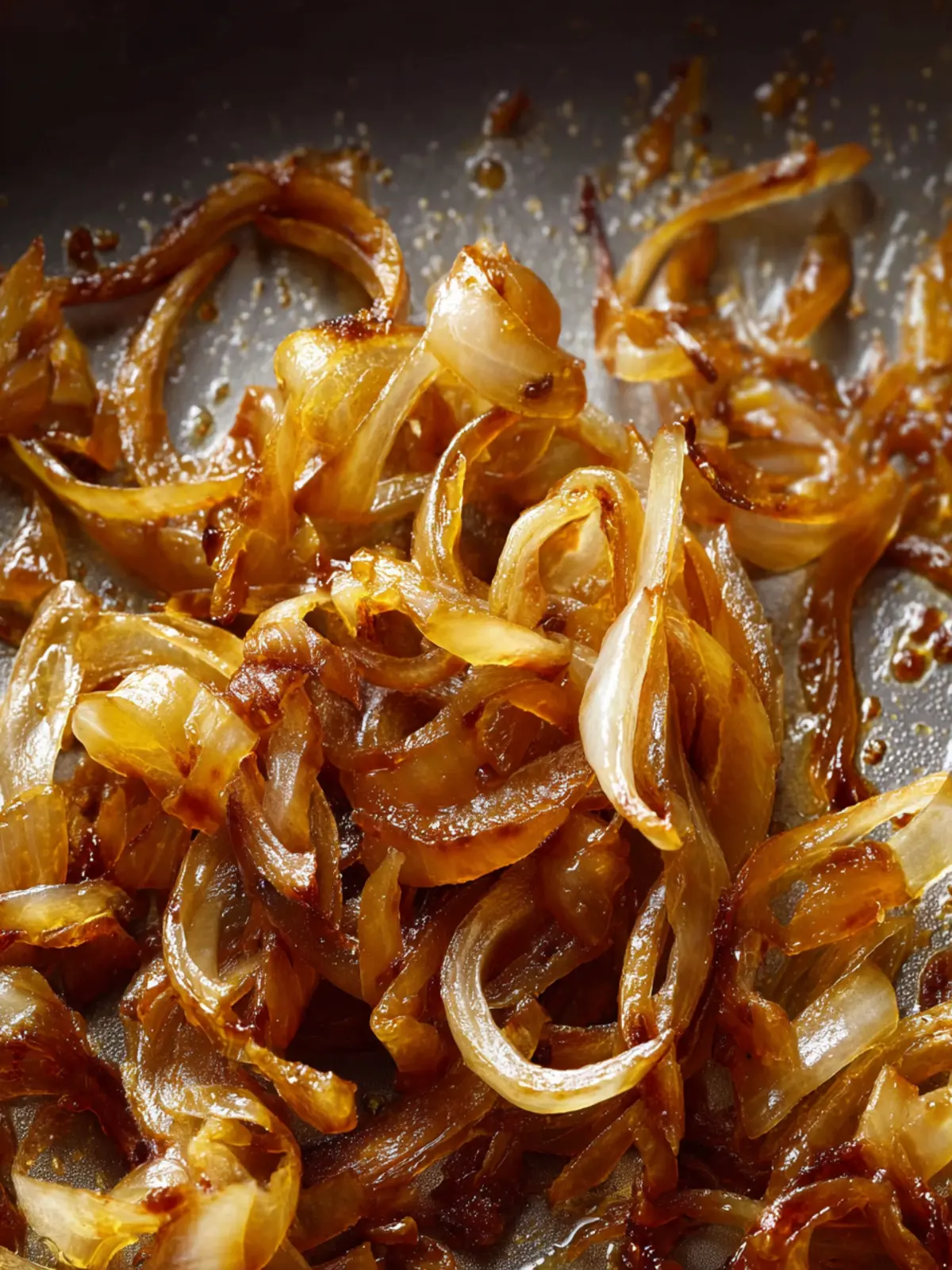
Variations on Caramelized Onions
Caramelized onions are a dream addition to countless dishes, and once you learn how to caramelize onions to perfection, the variations are exciting and endless. Imagine jazzing up your culinary arsenal with these tempting alternatives:
Sweet and Tangy
Try adding a splash of balsamic vinegar or a sprinkle of brown sugar while sautéing your onions. This creates a delightful contrast that enhances the natural sweetness. It’s a fantastic topping for grilled meats or mixed into salads for a gourmet touch.
Herb-Infused Options
For a fresh twist, consider mixing in herbs like rosemary or thyme during the cooking process. These fragrant herbs complement the onions beautifully, adding depth and complexity. You’ll find that they pair perfectly with roasted vegetables or in savory tarts.
Savory and Smoky
If you’re a fan of umami, introduce some smoked paprika or a dash of Worcestershire sauce while caramelizing. This gives your onions a rich, smoky flavor ideal for adding to burgers or savory pies.
Cheese and Cream
Mixing in a spoonful of creamy goat cheese or a sprinkle of feta just before serving can take caramelized onions to the next level. This creamy dimension can elevate your pastas or serve as a luxurious spread on toasted bread.
Experimenting with these variations will not only satisfy your taste buds but also impress guests, transforming simple caramelized onions into a versatile, gourmet ingredient!
Cooking Tips and Notes for Caramelized Onions
Caramelized onions are more than just a side dish; they’re like a warm hug for your taste buds. Just picture a kitchen filled with the irresistibly sweet aroma of onions gently cooked to perfection. When you know how to caramelize onions right, they can transform any dish from ordinary to extraordinary.
The Perfect Pan Matters
A heavy skillet, preferably cast iron or stainless steel, provides even heat distribution, allowing your onions to cook uniformly. Avoid non-stick pans; they don’t encourage the caramelization process quite as well.
Slice Uniformly
Cut your onions into even slices—think thin rings or half-moons—to ensure they cook evenly. This helps prevent any rogue bits from burning while others are still crispy.
Patience is Key
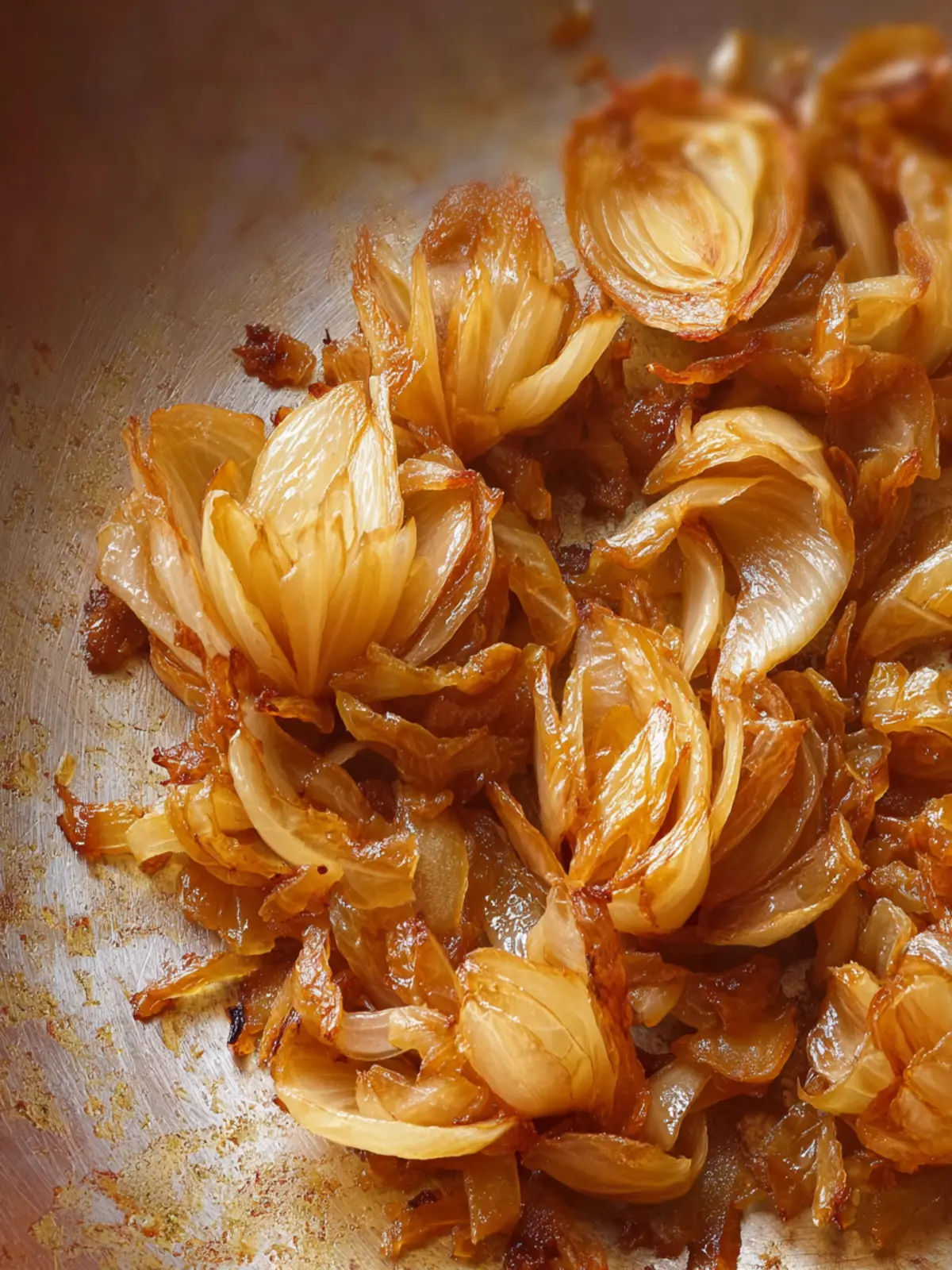
Don’t rush the process! Low and slow is the name of the game. Allow the onions to sauté gently, stirring occasionally. It may take up to 30-40 minutes, but patience leads to that deeply rich, golden-brown flavor profile that you crave.
Season Wisely
For an extra layer of depth, consider seasoning your onions with a pinch of salt right at the beginning. It not only enhances flavor but draws out moisture and aids in the caramelization process.
Storage Tips
If you make extra caramelized onions, store them in an airtight container in your fridge for up to a week. They’re perfect for adding to salads, sandwiches, or even pizza later on!
By following these simple tips, you’ll master how to caramelize onions and unlock their full potential in your culinary creations. Happy cooking!
Serving Suggestions for Caramelized Onions
Caramelized onions are a culinary treasure—once you master how to caramelize onions, these sweet, savory morsels will find their way into countless dishes, elevating your meals to a whole new level. Imagine serving them atop a juicy steak or in a cozy mac and cheese, adding depth and flavor that will wow your guests. Here are some delicious ideas to make the most out of your caramelized onions:
-
Pasta and Risotto: Stir caramelized onions into creamy risottos or pasta dishes for a sweet touch that contrasts beautifully with rich sauces.
-
Sandwiches and Burgers: Use them as a topping for gourmet burgers or paninis for that extra layer of flavor.
-
Pizza or Flatbreads: Sprinkle them over your favorite pizza or flatbread for a fantastic sweet and savory balance.
-
Toppers for Soups: Garnish soups, especially French onion or potato soup, with a generous scoop of caramelized onions for added richness.
The possibilities are endless—get creative and enjoy the delicious world of caramelized onions!
Time Breakdown for Caramelizing Onions
Caramelizing onions is a delightful process that transforms simple ingredients into a sweet, golden treasure. Understanding the time it takes is essential for planning your meal perfectly.
Preparation Time
The preparation is quick! Spend about 10 minutes slicing your onions, which lets you get in the zone for this culinary adventure.
Cooking Time
Now comes the magic. Allow 30 to 45 minutes for cooking on low heat, stirring occasionally. This slow process brings out the deep, sweet flavors you crave.
Total Time
In total, you’ll need about 40 to 55 minutes. Set aside a bit of time to truly savor the transformation of those onions from raw to caramelized perfection. Enjoy every moment of this simple yet rewarding recipe!
Nutritional Facts for Caramelized Onions
Caramelized onions are more than just a delicious topping; they also pack a surprising nutritional punch! When you master how to caramelize onions, you’ll not only elevate your dishes but also reap the benefits of their key vitamins and minerals.
Calories
In a standard serving, caramelized onions contain about 60 calories. They are dense with flavor but low in calories, making them an excellent choice for health-conscious culinary enthusiasts.
Carbohydrates
Caramelized onions are primarily composed of carbohydrates, with roughly 14 grams per serving. These carbs come from the natural sugars in onions, which create their signature sweetness as they cook down.
Fats
This dish is very low in fats, typically containing less than 0.5 grams. This makes them a great addition to many meals without adding extra fat grams, perfect for those watching their dietary intake.
FAQs about Caramelized Onions
Caramelized onions have a magical ability to transform even the simplest dishes into gourmet delights. Understanding how to achieve the perfect balance of sweetness and umami can elevate your cooking. Here are some common questions to help you master the art of caramelizing onions.
What’s the secret to perfectly caramelized onions?
The secret lies in patience and technique! Start with a good quality skillet over medium-low heat. Thinly slice your onions and add them to the pan with a bit of oil or butter. The key is to let them cook slowly. Stir them occasionally, allowing the natural sugars to be released and develop a rich, golden-brown color. This process usually takes about 20-30 minutes, but the results are well worth it!
Can I make caramelized onions in advance?
Absolutely! Making your caramelized onions in advance is a great way to save time. Just cook them as you normally would, then let them cool. They can be stored in an airtight container in the fridge. When you’re ready to use them, simply reheat in a skillet or microwave for a few minutes.
How do I store leftover caramelized onions?
Leftover caramelized onions can be stored in the fridge for up to a week. Make sure to place them in an airtight container to preserve freshness. If you want to keep them longer, you can freeze them in a ziplock bag, which makes for easy use in future meals. Just remember to label the bag with the date!
Embrace the versatility of caramelized onions, and watch as they elevate your meals to new heights!
Conclusion on Caramelized Onions
In closing, mastering how to caramelize onions opens up a world of flavor possibilities in your cooking. These golden, sweet gems add depth and richness to an array of dishes, from gourmet burgers to comforting soups. Whether you’re serving them alongside a steak, tossing them into a pasta dish, or using them as a pizza topping, the versatility of caramelized onions is truly remarkable. So take your time and savor the process—it’s well worth the effort. With just a few simple ingredients and some patience, you’ll elevate your meals to new heights and impress your dinner guests. Enjoy your culinary journey!
Print
Sautéed Onions with Thyme
- Total Time: 25 minutes
- Yield: 4 servings 1x
- Diet: Vegetarian
Description
Deliciously caramelized onions sautéed with thyme, perfect as a topping or side dish.
Ingredients
Scale
- 1½ tbsp extra-virgin olive oil
- 2 tbsp unsalted butter (¼ stick)
- 1 lb. yellow onions (peeled and thinly sliced)
- 1 tsp fresh thyme leaves
- ¼ tsp kosher salt
- ⅛ tsp freshly ground black pepper
Instructions
- Add the oil and butter to a medium-large skillet set over medium-high heat.
- Once the butter is melted, add the onion, thyme, salt, and black pepper.
- Cook until the onions start to turn brown in spots, about 5 minutes, stirring frequently.
- Turn the heat down to low, cover the skillet, and cook 15 minutes more, stirring occasionally.
- Add a splash of water as necessary if the onions start to stick to the pan or if the pan starts to get too dark.
Notes
- Make sure to stir frequently to prevent burning.
- This dish can be used as a topping for various dishes.
- Prep Time: 5 minutes
- Cook Time: 20 minutes
- Category: Side Dish
- Method: Sautéing
- Cuisine: American
Nutrition
- Serving Size: 1/4 of recipe
- Calories: 120
- Sugar: 3g
- Sodium: 150mg
- Fat: 10g
- Saturated Fat: 4g
- Unsaturated Fat: 6g
- Trans Fat: 0g
- Carbohydrates: 10g
- Fiber: 1g
- Protein: 1g
- Cholesterol: 15mg